United States · RCW 46.37.430 · checked November 2026
Washington window tint law
Every window except the windscreen must let through at least 24% of light, and the car needs outside mirrors on both sides. On SUVs, vans and pickups the windows behind the driver can be any darkness.
Washington tint limits
| Window | Cars (saloons, coupes, hatchbacks, estates) | SUVs, vans and pickups (multipurpose vehicles) |
|---|---|---|
| Front side windows | 24%Limit covers factory tint and film together; only one sheet of film per window is allowed. | 24% |
| Rear side windows | 24% | Any darknessVehicles the manufacturer identifies as a truck, motorhome or multipurpose passenger vehicle may go darker than 24% behind the driver. |
| Rear window | 24% | Any darknessFilm behind the driver must still reflect 35% of light or less. |
Percentages are the minimum visible light transmission (VLT): the share of light the window must let through. Lower is darker.
Check a film against the law
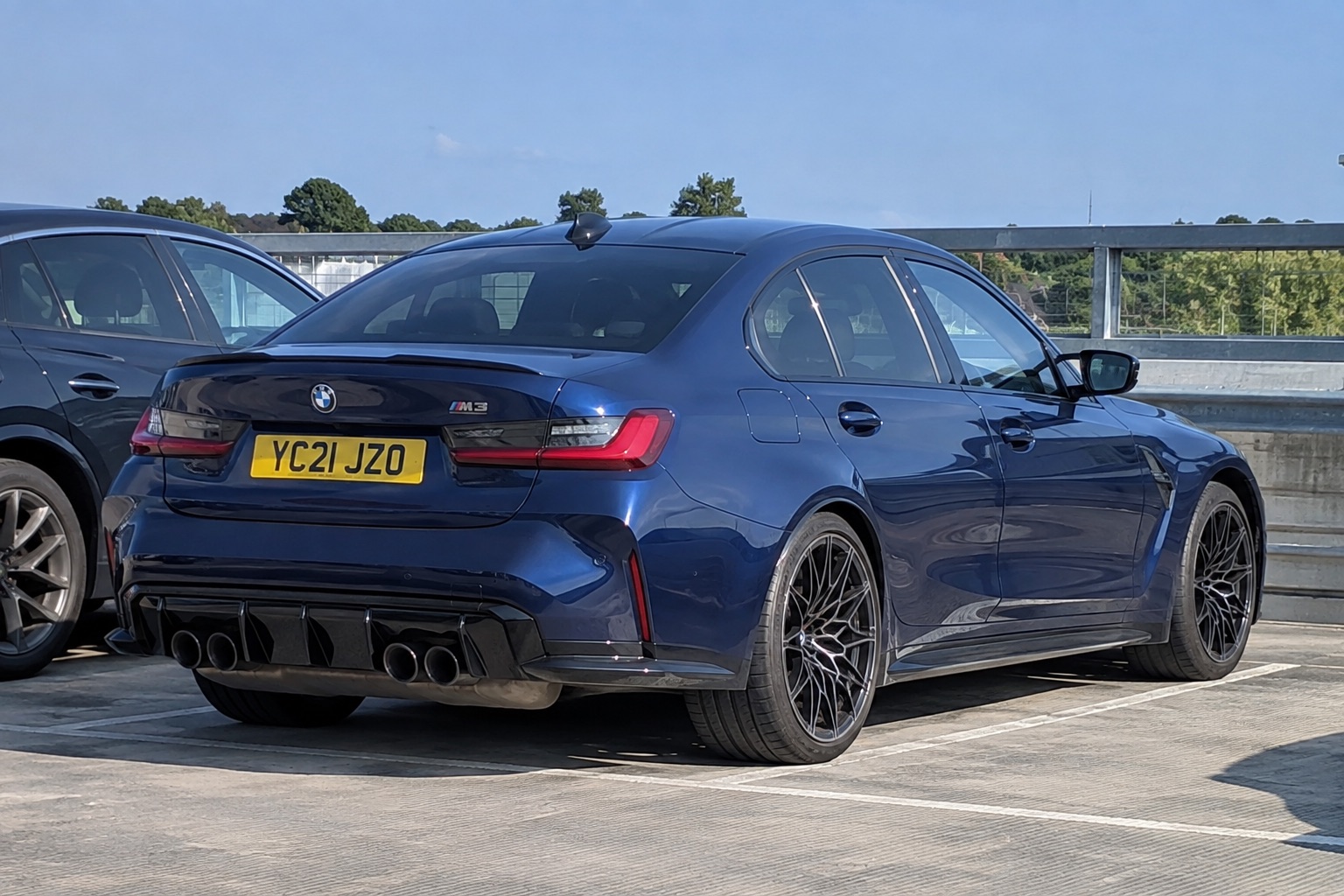
Pick the shade you're thinking of for the front and rear. The car shows roughly how it looks, and each window gets a verdict for Washington, allowing for the light your factory glass already blocks.
Film on the front side windows
Film on the rear windows
- Legal
Front side windows
30% film on clear glass ≈ 24% light through. Washington allows 24% or lighter. Limit covers factory tint and film together; only one sheet of film per window is allowed.
- Legal
Rear side windows
30% film on clear glass ≈ 24% light through. Washington allows 24% or lighter.
- Legal
Rear window
30% film on clear glass ≈ 24% light through. Washington allows 24% or lighter.
Borderline means the answer depends on your glass: factory glass lets through 70–85% before film. Ask your installer to meter the window after fitting.
The darkest film you can fit
The front side windows must let through at least 24% of light. That is measured through the glass and film together, so on typical factory glass (about 80%) you need film of about 30% or lighter. The darkest common shade that stays legal on typical glass is 30%. The rear side windows and rear window must let through at least 24%.
Factory glass isn't clear: it typically lets through 70–85% before any film goes on, and the two multiply. That's why film rated at the legal number usually meters too dark. How film combines with factory glass.
Other rules
| Rule | Washington |
|---|---|
| Windscreen | Tint is allowed only along the top, no more than 6 inches down and not into the AS-1 area. Clear UV-blocking film may be applied to the whole windscreen. |
| Reflective film | No window may reflect more than 35% of light; mirror-finish film is banned. |
| Colours | No red, gold, yellow or black film. |
| Mirrors | Outside mirrors on both sides are needed whenever film is applied to any window other than the windscreen. |
| Installer label or certificate | Businesses tinting for profit must fix a sticker to the driver's door post, next to the manufacturer's tag, showing their business name and state tax ID number. |
| Penalty | Driving with illegal film is a traffic infraction. Knowingly installing illegal film is a misdemeanour, and paying for or selling an illegal installation is a gross misdemeanour. |
| How it's measured | Glass and film together, as a tint meter reads the window |
Medical exemptions
Yes. Carry a written statement from a licensed physician that the driver or a passenger must be protected from sunlight; darker film is then allowed on all windows and the top 6 inches of the windscreen.
Worth knowing
- Spray-on or brush-on liquid tint is banned.
- The statute sets no meter tolerance.
- Hearses, collector vehicles, limousines and similar vehicles may also go darker behind the driver.
See the shades
See this tint on your own car.
The picture above is drawn over a stock photo. The studio renders tint onto a photo of your car, at your angle and in your light. Upload a photo, open Window tint and choose a shade.
See this tint on your own carBoth the visualiser and the render are approximations of how film looks. Ask your installer to show samples and meter the result.
Questions
What is the darkest legal tint in Washington?
The front side windows must let through at least 24% of light. That is measured through the glass and film together, so on typical factory glass (about 80%) you need film of about 30% or lighter. The darkest common shade that stays legal on typical glass is 30%. The rear side windows and rear window must let through at least 24%. These answers are for cars (saloons, coupes, hatchbacks, estates); the table above has the rules for sUVs, vans and pickups (multipurpose vehicles).
Is 5% tint legal in Washington?
On the front side windows, 5% film is too dark (about 4% through on typical glass; limit 24%); on the rear side windows and rear window it is too dark (about 4% through on typical glass; limit 24%). These answers are for cars (saloons, coupes, hatchbacks, estates); the table above has the rules for sUVs, vans and pickups (multipurpose vehicles).
Is 20% tint legal in Washington?
On the front side windows, 20% film is too dark (about 16% through on typical glass; limit 24%); on the rear side windows and rear window it is too dark (about 16% through on typical glass; limit 24%). These answers are for cars (saloons, coupes, hatchbacks, estates); the table above has the rules for sUVs, vans and pickups (multipurpose vehicles).
Is 35% tint legal in Washington?
On the front side windows, 35% film is legal (about 28% through on typical glass; limit 24%); on the rear side windows and rear window it is legal (about 28% through on typical glass; limit 24%). These answers are for cars (saloons, coupes, hatchbacks, estates); the table above has the rules for sUVs, vans and pickups (multipurpose vehicles).
Can I tint my windscreen in Washington?
Tint is allowed only along the top, no more than 6 inches down and not into the AS-1 area. Clear UV-blocking film may be applied to the whole windscreen.
Is there a medical exemption for tint in Washington?
Yes. Carry a written statement from a licensed physician that the driver or a passenger must be protected from sunlight; darker film is then allowed on all windows and the top 6 inches of the windscreen.
What is the fine for illegal tint in Washington?
Driving with illegal film is a traffic infraction. Knowingly installing illegal film is a misdemeanour, and paying for or selling an illegal installation is a gross misdemeanour.
Sources
Checked against these in November 2026. Laws change: if you're close to a limit, confirm with the DMV or state police or your installer before you fit film. This page is a guide, not legal advice.