United States · Montana Code Annotated §61-9-405, §61-9-428 and §61-9-429 · checked November 2026
Montana window tint law
Front side windows must let through at least 24% of light, and the rear side and rear windows at least 14%. On SUVs, vans and other multipurpose vehicles, windows behind the front seat can be any darkness.
Montana tint limits
| Window | Cars (saloons, coupes, hatchbacks, estates) | SUVs, vans and pickups |
|---|---|---|
| Front side windows | 24% | 24% |
| Rear side windows | 14% | Any darknessMultipurpose vehicles and vans are exempt behind the front seat. A pickup is only covered if it counts as a multipurpose vehicle (built on a truck chassis to carry 10 or fewer passengers). |
| Rear window | 14% | Any darknessExempt on multipurpose vehicles and vans; otherwise 14%. |
Percentages are the minimum visible light transmission (VLT): the share of light the window must let through. Lower is darker.
Check a film against the law
Pick the shade you're thinking of for the front and rear. The car shows roughly how it looks, and each window gets a verdict for Montana, allowing for the light your factory glass already blocks.
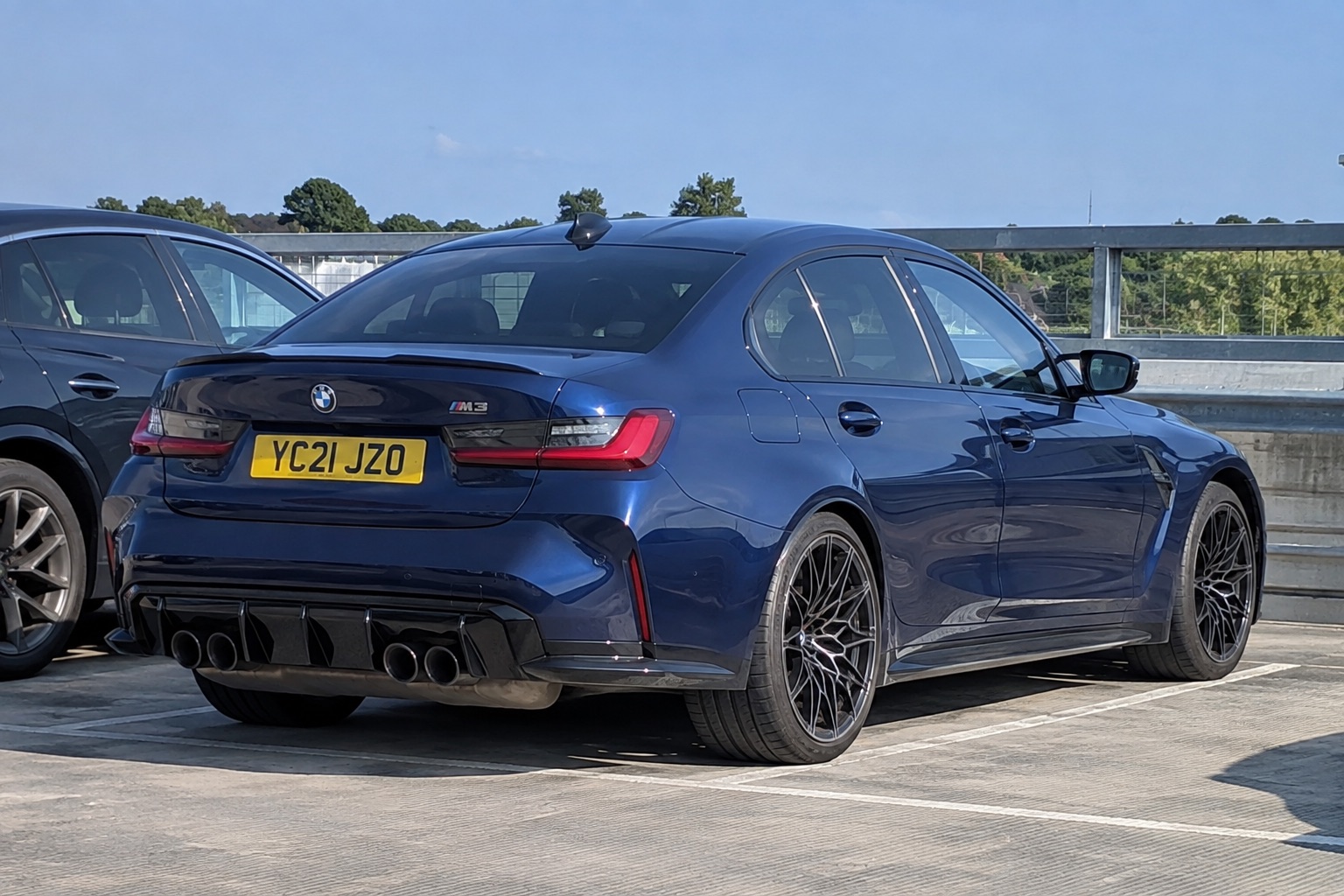
Film on the front side windows
Film on the rear windows
- Legal
Front side windows
30% film on clear glass ≈ 24% light through. Montana allows 24% or lighter.
- Legal
Rear side windows
20% film on clear glass ≈ 16% light through. Montana allows 14% or lighter.
- Legal
Rear window
20% film on clear glass ≈ 16% light through. Montana allows 14% or lighter.
Borderline means the answer depends on your glass: factory glass lets through 70–85% before film. Ask your installer to meter the window after fitting.
The darkest film you can fit
The front side windows must let through at least 24% of light. That is measured through the glass and film together, so on typical factory glass (about 80%) you need film of about 30% or lighter. The darkest common shade that stays legal on typical glass is 30%. The rear side windows and rear window must let through at least 14%.
Factory glass isn't clear: it typically lets through 70–85% before any film goes on, and the two multiply. That's why film rated at the legal number usually meters too dark. How film combines with factory glass.
Other rules
| Rule | Montana |
|---|---|
| Windscreen | Only clear, transparent material is allowed below the AS-1 line. Tint is allowed above the AS-1 line as long as it is not red, yellow or amber. |
| Reflective film | Film on the side and rear windows must not reflect more than 35% of light. |
| Colours | No red, yellow or amber tint above the AS-1 line on the windscreen. |
| Penalty | A misdemeanour for both the owner or driver and the person who fitted the film, punishable by a fine of up to $500, up to six months in jail, or both. |
| How it's measured | The law doesn't say; assume glass and film together |
Medical exemptions
The Highway Patrol or a local police agency can grant a written waiver for medical reasons, based on an affidavit signed by a licensed physician, physician assistant or advanced practice registered nurse. Waivers can also be granted for safety or security reasons.
Worth knowing
- The limits apply to factory-tinted glass with film added, so the reading through glass and film together is what counts in practice; the statute's definition of light transmission is worded around the material itself.
- Multipurpose vehicles with factory-fitted tinted windows, hearses, ambulances and government vehicles are exempt.
- Checked against the Montana Code Annotated 2025; no recent amendments found.
See the shades
See this tint on your own car.
The picture above is drawn over a stock photo. The studio renders tint onto a photo of your car, at your angle and in your light. Upload a photo, open Window tint and choose a shade.
See this tint on your own carBoth the visualiser and the render are approximations of how film looks. Ask your installer to show samples and meter the result.
Questions
What is the darkest legal tint in Montana?
The front side windows must let through at least 24% of light. That is measured through the glass and film together, so on typical factory glass (about 80%) you need film of about 30% or lighter. The darkest common shade that stays legal on typical glass is 30%. The rear side windows and rear window must let through at least 14%. These answers are for cars (saloons, coupes, hatchbacks, estates); the table above has the rules for sUVs, vans and pickups.
Is 5% tint legal in Montana?
On the front side windows, 5% film is too dark (about 4% through on typical glass; limit 24%); on the rear side windows and rear window it is too dark (about 4% through on typical glass; limit 14%). These answers are for cars (saloons, coupes, hatchbacks, estates); the table above has the rules for sUVs, vans and pickups.
Is 20% tint legal in Montana?
On the front side windows, 20% film is too dark (about 16% through on typical glass; limit 24%); on the rear side windows and rear window it is legal (about 16% through on typical glass; limit 14%). These answers are for cars (saloons, coupes, hatchbacks, estates); the table above has the rules for sUVs, vans and pickups.
Is 35% tint legal in Montana?
On the front side windows, 35% film is legal (about 28% through on typical glass; limit 24%); on the rear side windows and rear window it is legal (about 28% through on typical glass; limit 14%). These answers are for cars (saloons, coupes, hatchbacks, estates); the table above has the rules for sUVs, vans and pickups.
Can I tint my windscreen in Montana?
Only clear, transparent material is allowed below the AS-1 line. Tint is allowed above the AS-1 line as long as it is not red, yellow or amber.
Is there a medical exemption for tint in Montana?
The Highway Patrol or a local police agency can grant a written waiver for medical reasons, based on an affidavit signed by a licensed physician, physician assistant or advanced practice registered nurse. Waivers can also be granted for safety or security reasons.
What is the fine for illegal tint in Montana?
A misdemeanour for both the owner or driver and the person who fitted the film, punishable by a fine of up to $500, up to six months in jail, or both.
Sources
Checked against these in November 2026. Laws change: if you're close to a limit, confirm with the DMV or state police or your installer before you fit film. This page is a guide, not legal advice.