Window tint comparison
15% vs 35% tint
15% is for privacy; 35% is for looks and comfort with little loss of visibility. Drag the slider to see both shades on the same car, then check the numbers below.
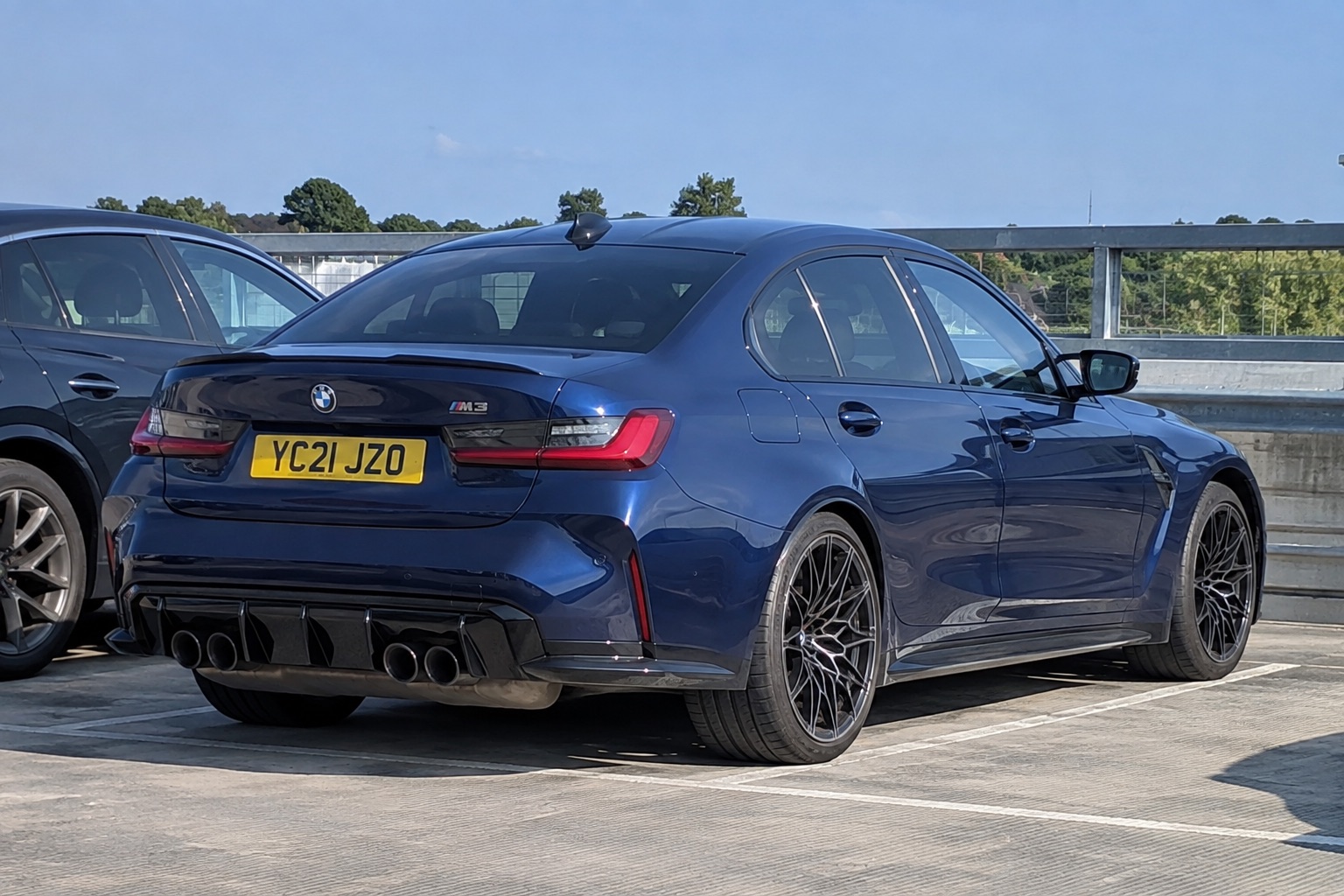
Drag the handle, or focus it and use the arrow keys. An approximation drawn over a stock photo; real film varies with light, glass and film type.
The difference in numbers
| 15% tint | 35% tint | |
|---|---|---|
| Light the film lets through | 15% | 35% |
| Light the film blocks | 85% | 65% |
| On clear factory glass (≈80%) | ≈ 12% | ≈ 28% |
| On privacy glass (≈20%) | ≈ 3% | ≈ 7% |
| From outside by day | Strong privacy; shapes only up close | Partial privacy; outlines visible |
| Night view, on clear glass | Noticeably darker at night | Somewhat darker at night |
| GB front side windows (70% minimum) | Too dark | Too dark |
| GB rear side windows and rear screen | No limit | No limit |
Combined figures multiply film VLT by typical glass VLT. Your glass may be lighter or darker; a tint meter gives the real number.
Which should you choose?
35% lets through 2.3 times as much light as 15%. That is a big enough step to change both how the car looks and how it feels to drive at night.
Choose 15% if privacy and the look come first. From outside: strong privacy; shapes only up close. Inside at night, on typical clear glass, about 12% of the light gets through: noticeably darker at night.
Choose 35% if you drive a lot at night or want an easier view out. From outside: partial privacy; outlines visible. About 28% gets through on clear glass: somewhat darker at night.
On factory privacy glass both get much darker: about 3% against 7%. If your rear windows are already privacy glass, the lighter film may give you all the extra darkness you need.
Many owners split the difference: a darker shade on the rear windows and something lighter, or nothing, at the front, where the rules are strictest in Great Britain and in many US states.
UK and US rules
In Great Britain, for vehicles first used on or after 1 April 1985, the windscreen must let at least 75% of light through and the front side windows at least 70%. There are no rules for tinting the rear side windows or the rear windscreen. For vehicles first used before 1 April 1985, the windscreen and front side windows must both let through at least 70%.
The limit applies to the window as a whole, glass and film together. Because factory glass already blocks some light, almost any film is likely to take a front side window below 70%. The police and DVSA examiners use light meters, and windows that are too dark can lead to a prohibition notice stopping you using the vehicle until the tint is removed, a penalty notice or a court summons. Source: GOV.UK, tinted vehicle windows: the law.
There is no single US limit. Each state sets its own rules, usually with separate limits for the windscreen strip, front side windows, rear side windows and rear window, and some states treat sedans differently from SUVs, vans and trucks. Rules on reflective film and medical exemptions vary too. Check your state's DMV or the statute itself before you book, and remember that the limit usually applies to the glass and film together.
See this tint on your own car.
The picture above is drawn over a stock photo. The studio renders tint onto a photo of your car, at your angle and in your light. Upload a photo, open Window tint and choose a shade.
See this tint on your own carBoth the visualiser and the render are approximations of how film looks. Ask your installer to show samples and meter the result.
Explained in our guides
Tint counts as a modification, so check what your insurer needs to know.
- UK car insurance: declaring wheels, wraps and other modificationsPrepare a clear modification list for your UK insurer, check acceptance and replacement cover separately, and understand why undeclared-change outcomes vary.
- How to preview car mods before you buy themAvoid expensive regrets: how to see wheels, colours, wraps and stance on your own car before spending, and how to check the parts will actually fit.
Questions
Which is darker, 15% or 35% tint?
15% is darker. The number is the share of light the film lets through, so 15% film lets through 57% less light than 35% film. Put another way, 35% lets through 2.3 times as much light.
Can you tell the difference between 15% and 35% tint?
Yes. 35% lets through 2.3 times as much light, which is easy to see side by side and usually obvious on its own: strong privacy; shapes only up close against partial privacy; outlines visible.
Is 15% or 35% tint better at night?
35% is easier to see out of. On typical clear factory glass the window lets through about 28% with 35% film and about 12% with 15%. How much that matters depends on your eyes and the roads you drive; reversing and unlit roads are where drivers notice it most.
Are 15% and 35% tint legal in the UK?
Both are fine on the rear side windows and rear windscreen, where Great Britain sets no limit. Neither is legal on the front side windows of a car first used on or after 1 April 1985: they must let through at least 70%, and on typical glass these films leave about 12% and 28%.