Canada · Licensing and Equipment Regulations (CNLR 1007/96) under the Highway Traffic Act, s. 38 · checked November 2026
Newfoundland and Labrador window tint law
Film on the windscreen and front side windows must not take the glass below the federal glazing standard (CMVSS 205), which requires at least 70% light. Rear side windows and the rear window can be any darkness.
Newfoundland and Labrador tint limits
| Window | All passenger vehicles |
|---|---|
| Front side windows | 70%The regulation does not state a number; it bans film that stops the vehicle meeting CMVSS 205, whose glazing test requires at least 70% light transmission. |
| Rear side windows | Any darkness |
| Rear window | Any darkness |
Percentages are the minimum visible light transmission (VLT): the share of light the window must let through. Lower is darker.
Check a film against the law
Pick the shade you're thinking of for the front and rear. The car shows roughly how it looks, and each window gets a verdict for Newfoundland and Labrador, allowing for the light your factory glass already blocks.
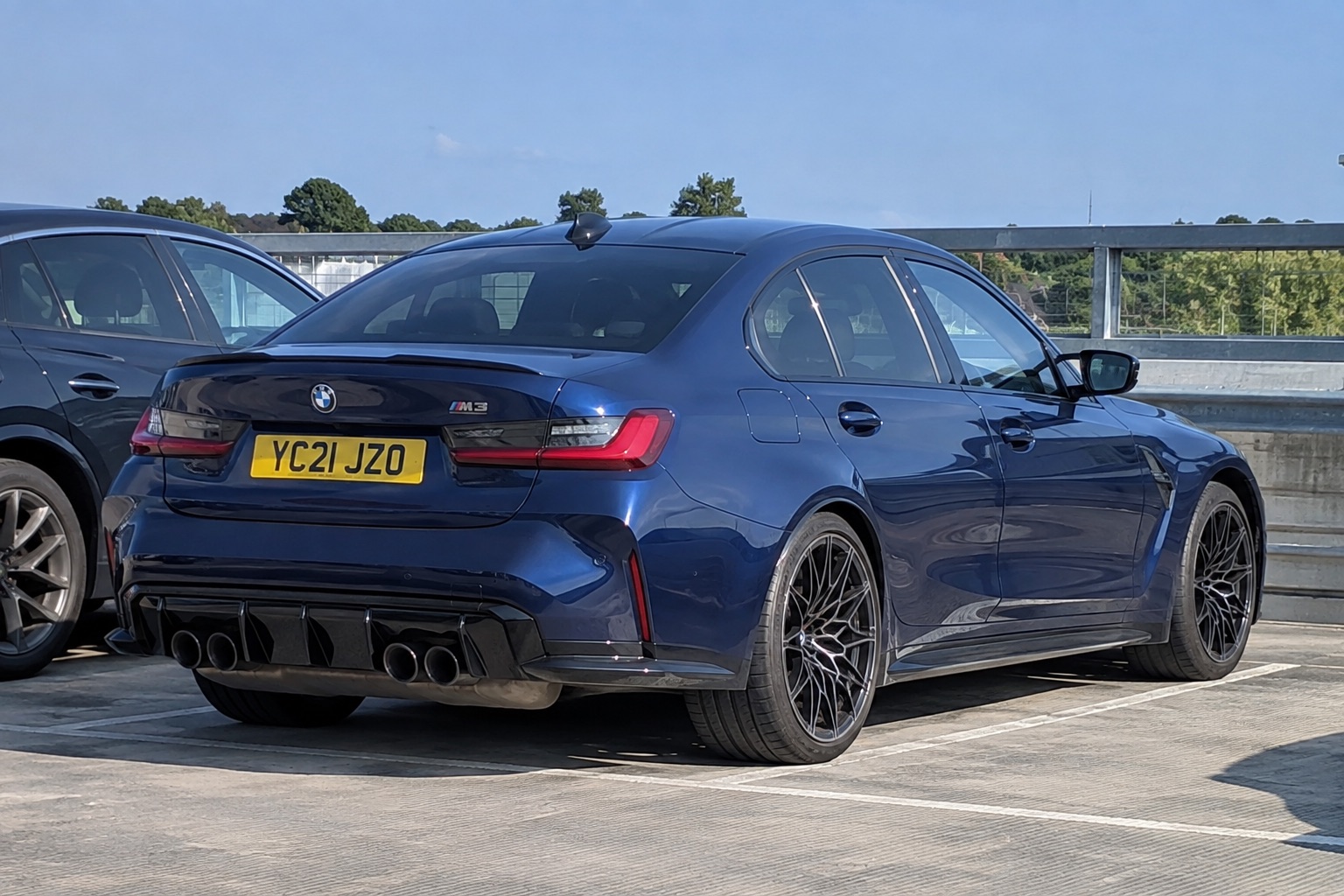
Film on the front side windows
Film on the rear windows
- Too dark
Front side windows
70% film on clear glass ≈ 56% light through. Newfoundland and Labrador allows 70% or lighter. The regulation does not state a number; it bans film that stops the vehicle meeting CMVSS 205, whose glazing test requires at least 70% light transmission.
- Legal
Rear side windows
20% film on clear glass ≈ 16% light through. Newfoundland and Labrador allows any darkness.
- Legal
Rear window
20% film on clear glass ≈ 16% light through. Newfoundland and Labrador allows any darkness.
Borderline means the answer depends on your glass: factory glass lets through 70–85% before film. Ask your installer to meter the window after fitting.
The darkest film you can fit
The front side windows must let through at least 70% of light. That is measured through the glass and film together, so on typical factory glass (about 80%) you need film of about 87.5% or lighter. No common tint shade stays above it on typical glass; only clear heat-rejecting film is likely to pass. The rear side windows and rear window can be any darkness.
Factory glass isn't clear: it typically lets through 70–85% before any film goes on, and the two multiply. That's why film rated at the legal number usually meters too dark. How film combines with factory glass.
Other rules
| Rule | Newfoundland and Labrador |
|---|---|
| Windscreen | Film is only allowed if the windscreen still meets CMVSS 205 (at least 70% light transmission in the area needed for driving). |
| Reflective film | No film on any window that casts glare at other vehicles from sunlight or headlights. |
| Penalty | Under the Highway Traffic Act's general penalty, a first offence is a fine of $30 to $200; a repeat is $50 to $500. |
| How it's measured | Glass and film together, as a tint meter reads the window |
Medical exemptions
No medical exemption.
Worth knowing
- The 70% figure comes from the federal standard the regulation refers to (CMVSS 205, which adopts ANSI Z26.1), not from the provincial text.
- Clear, untinted frost shields are allowed.
See the shades
See this tint on your own car.
The picture above is drawn over a stock photo. The studio renders tint onto a photo of your car, at your angle and in your light. Upload a photo, open Window tint and choose a shade.
See this tint on your own carBoth the visualiser and the render are approximations of how film looks. Ask your installer to show samples and meter the result.
Questions
What is the darkest legal tint in Newfoundland and Labrador?
The front side windows must let through at least 70% of light. That is measured through the glass and film together, so on typical factory glass (about 80%) you need film of about 87.5% or lighter. No common tint shade stays above it on typical glass; only clear heat-rejecting film is likely to pass. The rear side windows and rear window can be any darkness.
Is 5% tint legal in Newfoundland and Labrador?
On the front side windows, 5% film is too dark (about 4% through on typical glass; limit 70%); on the rear side windows and rear window it is allowed (any darkness).
Is 20% tint legal in Newfoundland and Labrador?
On the front side windows, 20% film is too dark (about 16% through on typical glass; limit 70%); on the rear side windows and rear window it is allowed (any darkness).
Is 35% tint legal in Newfoundland and Labrador?
On the front side windows, 35% film is too dark (about 28% through on typical glass; limit 70%); on the rear side windows and rear window it is allowed (any darkness).
Is 50% tint legal in Newfoundland and Labrador?
On the front side windows, 50% film is too dark (about 40% through on typical glass; limit 70%); on the rear side windows and rear window it is allowed (any darkness).
Is 70% tint legal in Newfoundland and Labrador?
On the front side windows, 70% film is too dark (about 56% through on typical glass; limit 70%); on the rear side windows and rear window it is allowed (any darkness).
Can I tint my windscreen in Newfoundland and Labrador?
Film is only allowed if the windscreen still meets CMVSS 205 (at least 70% light transmission in the area needed for driving).
Is there a medical exemption for tint in Newfoundland and Labrador?
No medical exemption.
What is the fine for illegal tint in Newfoundland and Labrador?
Under the Highway Traffic Act's general penalty, a first offence is a fine of $30 to $200; a repeat is $50 to $500.
Sources
Checked against these in November 2026. Laws change: if you're close to a limit, confirm with the licensing authority or your installer before you fit film. This page is a guide, not legal advice.